
Nama Latin
Carica Papaya L
Taksonomi
Kingdom: Plantae
Divisi: Magnoliophyta
Kelas: Magnoliopsida
Ordo: Brassicales
Famili: Caricaceae
Genus: Carica
Spesies: Carica Papaya L
Definisi Umum
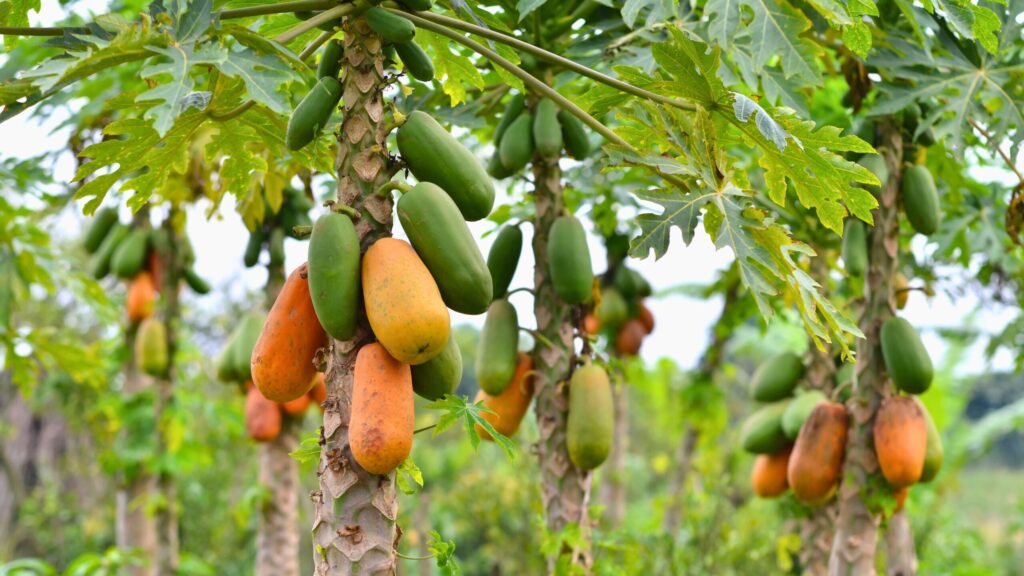
Pepaya merupakan tanaman herba berkayu lunak yang tumbuh di daerah tropis dan sub tropis. Tanaman ini memiliki batang tegak, berongga, serta daun lebar berbentuk menjari. Buah pepeya berbentuk lonjong hingga bulat dengan warna kulit hijau saaat muda dan berubah menjadi uning atau jingga ketika matang.
Kandungan
Kandungan pepaya memiliki vitamin A, C, E, Serat pangan, kalium, magnesium, asam folat, antioksidan, dan enzim papain juga mengandung alkaloid, flavonoid, saponin, dan tanin yang berpotensi sebagai senyawa bioaktif alami.
Khasiat
khasitannya yaitu melancarjab perbcernaan, meningkatkan daya tahan tubuh, menjaga kesehatan mata, membantu menjaga kesehatan kulit, membantu proses penyembuhan luka, menjaga kesehaatan jantung.
Cara Pengolahan
cara pengolahan pepaya yaitu dapat dijadikan jus pepaya, bisa dijadikan jamu herbal yaitu dengan dara merebus saja daun pepaya, dan sebagai masker wajah.
Daftar Pustaka
Daftar Pustaka
1. Aravind, G., Bhowmik, D., Duraivel, S., & Harish, G. (2013). Traditional and Medicinal Uses of Carica papaya. Journal of Medicinal Plants Studies, 1(1), 7–15.
2. Kementerian Kesehatan Republik Indonesia. (2023). Manfaat Buah Pepaya untuk Kesehatan.
3. Direktorat Jenderal Hortikultura Kementerian Pertanian Republik Indonesia. (2022). Budidaya Pepaya. Journal of Pharmacy, 2(7), 6–12.
5. Universitas IPB. (2021). *Database Tanaman Obat: Pepaya (Carica papaya L.).
Papaya (Carica Papaya L)
Taksonomi
Kingdom: Plantae
Divisi: Magnoliophyta
Kelas: Magnoliopsida
Ordo: Brassicales
Famili: Caricaceae
Genus: Carica
Spesies: Carica Papaya L
General Definition
Papaya (Carica papaya L.) is a soft-wooded herbaceous plant that thrives in tropical and subtropical regions. This plant is characterized by an upright, hollow stem and large palmately lobed leaves. Papaya fruit varies in shape from oval to round, with green skin during the immature stage that gradually changes to yellow or orange as the fruit ripens. Due to its pleasant taste, nutritional value, and ease of cultivation, papaya is widely grown and consumed in many parts of the world.
Contents
Papaya contains a variety of essential nutrients and bioactive compounds that contribute to its nutritional and medicinal value. It is rich in vitamins A, C, and E, which play important roles in maintaining overall health and protecting the body from oxidative stress. Papaya also contains dietary fiber, potassium, magnesium, folic acid, antioxidants, and the enzyme papain, which is known for its ability to aid protein digestion. In addition, papaya contains several phytochemical compounds, including alkaloids, flavonoids, saponins, and tannins, which have potential as natural bioactive substances with various health-promoting properties.
Benefits
Papaya offers numerous health benefits due to its rich nutritional composition. It helps promote healthy digestion by supporting bowel function and facilitating the breakdown of proteins through the action of papain. The high vitamin and antioxidant content contributes to strengthening the immune system and protecting the body against free radical damage. Papaya also supports eye health, particularly because of its vitamin A content, and helps maintain healthy skin by promoting tissue repair and regeneration. Furthermore, it may assist in the wound-healing process, support cardiovascular health, and contribute to overall well-being when consumed as part of a balanced diet.
Processing Methods
Papaya can be processed in several ways to maximize its nutritional and medicinal benefits. The fruit is commonly consumed fresh or processed into papaya juice, which is rich in vitamins, minerals, and antioxidants. Papaya leaves can also be prepared as a traditional herbal remedy by simply boiling the leaves in water and drinking the resulting decoction. Additionally, papaya can be used as a natural facial mask due to its vitamin content and the presence of enzymes that may help cleanse, nourish, and rejuvenate the skin.
References
- Aravind, G., Bhowmik, D., Duraivel, S., & Harish, G. (2013). Traditional and Medicinal Uses of Carica papaya. Journal of Medicinal Plants Studies, 1(1), 7–15.
- Ministry of Health of the Republic of Indonesia. (2023). Health Benefits of Papaya Fruit.
- Directorate General of Horticulture, Ministry of Agriculture of the Republic of Indonesia. (2022). Papaya Cultivation. Journal of Pharmacy, 2(7), 6–12.
- IPB University. (2021). Medicinal Plant Database: Papaya (Carica papaya L.).